The last trimester of pregnancy lasts from week 26 to week 40. However, if the pregnancy is prolonged or any problems arise, doctors may decide to induce labor. At this final stage of pregnancy, the belly is in the spotlight.
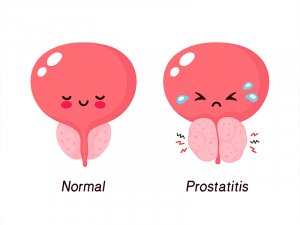
Chronic bacterial prostatitis, also known as category II prostatitis, is an inflammation of the prostate gland usually caused by a persistent local infection. Compared to the acute form, chronic bacterial prostatitis has a milder course but lasts significantly longer (at least 3 months).
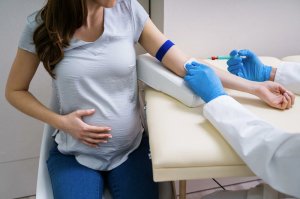
Fibrinogen, or coagulation factor I, is a plasma glycoprotein synthesized by the liver and, to a lesser extent, by endothelial tissue. Its levels should be carefully monitored by gynecologists during pregnancy. Fibrinogen is the precursor of fibrin — the substance necessary for blood clotting.
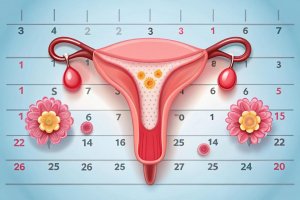
Many women associate the onset of menstruation with the belief that ovulation has already occurred. They believe that without menstruation, the body cannot release an egg. In reality, things are somewhat different. In fact, ovulation is possible even without menstruation.
Every woman has probably noticed that menstruation is not always the same. These differences concern duration and frequency, as well as the appearance and consistency of discharge, since sometimes the blood becomes more liquid, and sometimes it contains clots. In general, the formation of clots during menstruation is a
What does the second trimester of pregnancy bring for the future mom, what should she be ready for, and what to expect? We will explore these important questions in this article. In the second trimester, from the 14th to the 26th week of pregnancy, many women feel genuinely well for the first time.
Difficulties with conception and pregnancy are a significant reason for a couple to visit a reproductive specialist at the "Boholiuby" Medical Center. Modern gynecology faces many diseases that directly affect a woman's reproductive health and her quality of life. And often, one of the causes of female infertility is a
Bartholin's glands are glands located in the walls of the vagina. They secrete a fluid that is necessary for maintaining moisture. Blockage of the ducts of these glands leads to the formation of seals or cysts. These are usually benign formations.
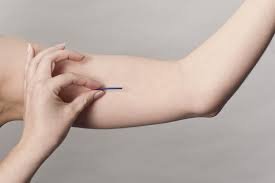
Contraceptive implants are devices specifically designed to be implanted into a woman's body for a long time to provide contraceptive protection. There are two main types of implantable contraceptives: intrauterine devices (IUDs) and subdermal implants.
Hypermenorrhea is defined as abnormally heavy menstrual bleeding in terms of amount and duration. Normal blood loss is 28–80 ml. However, menstrual bleeding is considered heavy if it exceeds 80 ml. Most women do not have heavy enough periods to be classified as hypermenorrhea.
With the onset of puberty, usually between the ages of twelve and fifteen, girls begin their first menstrual cycle. They often complain of mood swings and irritability, which may be part of a fairly well-known phenomenon called premenstrual syndrome (PMS).
Серйозні операції потрібно довіряти лише серйозним і крутим лікарям, бо здоров’я, то найцінніше і не ним не можна нехтувати і ризикувати, довіряти робити операцію можна лише найкращим фахівцям у…
Clinic's answer: Дякуємо, Катерино, що Ви поділилися своїм досвідом та враженнями, для нас це дуже цінно!…
Хочу висловити вдячність лікарю гінекологу Олесі Олесівні!Була у неї на прийомі і моя щира рекомендація як спеціаліста так і людини!Всі ми трішки боїмося лікарів...а може і не трішки
Clinic's answer: Щиро дякуємо за Ваш відгук! Нам неймовірно приємно, що Ви знайшли час написати нам такі…
Хочу залишити відгук про найкращу лікарку, яка мені траплялася
Clinic's answer: Спасибі велике, Світлано, за Ваш відгук!
Я в захваті від результату блефаропластики! Усе чудово загоїлося, шрами непомітні. Лікар Надія — справжній професіонал: уважна, щира й дуже людяна. Вона детально все пояснила, тому я почувалася…
Clinic's answer: Щиро дякуємо за Ваш відгук та за Ваш позитив, чим швидшого Вам одужання і будьте…
Хороший сучасний центр. Нарікань нема. Багатьом медзакладам варто було б рівнятися на нього.
Clinic's answer: Дякуємо, Олександре, за Ваш відгук. Нам важлива Ваша думка.
Рекомендую вашу лікарню всім, хто має проблеми пожіночому, бо тут мені помогли, і все зробили і спасли мені органи, золоті руки Петровського В.В. і всі дівчата сестрички і лікарки молодці, всі…
Clinic's answer: Спасибі Вам за довіру і за те, що знайшли час написати ці слова. Дуже приємно читати, що…
Дякую Вадиму Валентиновичу і всій команді за наше чудо, чарівну донечку, яку ми дочекалися завдяки Вам! Миру Вам і Божого благословіння!
Clinic's answer: Щиро дякуємо, Катерино, що поділилися своїм досвідом, нам неймовірно приємно. Міцного…
На скільки днів вперед розписаний прийом пацієнтів у Петровського В. Запитую щоб спланувати свій запис. Дякую.
Clinic's answer: Запис на прийом до спеціалістів центру здійснюється за телефонами, вказаними на сайті.
Хочу висловити безмежну вдячність клініці та нашому лікарю — Анні Олександрівні. Наш шлях був непростим, але завдяки зусиллям команди та професіоналізму лікаря ми дочекалися на омріяну…
Clinic's answer: Дякуємо, що поділилися своєю історією з такою відвертістю! Для нас немає більшої…
Дякую Анні Олександрівні за консультацію та професіоналізм, лікар який щиро зацікавлений у тому, щоб допомогти! Дякую за уважність до деталей, хочеться довіряти своє подальше здоров’я саме Вам
Clinic's answer: Щиро дякуємо, Анастасіє, за Ваш відгук!
27 липня ми були з сестрою на огляді в Олесі Олесівни. Це найкраща лікарка, в якої я будь-коли особисто проходила огляд. Це той випадок, коли про огляд в гінеколога згадуєш з приємними відчуттями і…
Clinic's answer: Щиро дякуємо Вам за відгук та за Вашу думку, на жаль згідно з рекомендаціями міністерства…
Хочу щиро подякувати хірургу Пасічнику Івану Миколайовичу за його професіоналізм!Робила операція по підтяжці та зменшенню молочних залоз , результатом я дуже задоволена. Від першого дня, я почувалася…
Clinic's answer: Дякуємо, що поділилися досвідом! Ми дуже раді, що результат вас тішить. Приємно чути, що…
Прийшов у клініку без попереднього запису. Адміністратор зв’язалася з лікарем, уточнила можливість прийому і повідомила, що переді мною лише один пацієнт. Я погодився зачекати.Минуло більше години.…
Clinic's answer: Щиро просимо у Вас вибачення, вийшла не зовсім вдала комунікація між рецепцією і лікарем.…
Дякуємо з чоловіком Вам за синочка, Вадим Валентинович! Ваша віра в успіх і професіоналізм творять дива!
Clinic's answer: Ваша віра в нас — найкраща мотивація рухатися далі. Дякуємо, що знайшли час поділитися…
Дуже некомпетентний лікар. Звернулась зі скаргою на тривале і значне зменшення грудей і зміну форми без очевидної причини або втрати ваги. Перше що почула: "навіщо вам їх змінювати?" "ви видумали"…
Clinic's answer: Нам дуже прикро, що Ви залишились незадоволені консультацією. УЗД малого тазу лікар…
Хочу висловити щиру подяку акушеру-гінекологу Копелюк Анні Олександрівні за високий професіоналізм, делікатність та уважність. Це лікар, який вміє вислухати, створити комфортну атмосферу під час…
Clinic's answer: Спасибі, Яно, за теплі слова на адресу нашого лікаря. Для нас найвища нагорода — знати,…
Два місяці тому мені зробили операцію зі зменшення молочних залоз, і сьогодні я хочу щиро подякувати хірургу Пасічнику Івану Миколайовичу за його професіоналізм, уважність і золоті руки. З першої…
Clinic's answer: Щиро дякуємо за Ваш відгук та за Ваші теплі слова, нам неймовірно приємно, хочеться…
Ми з чоловіком довго чекали на вагітність, пройшли безліч лікарів і аналізів, але все було безрезультатно. Саме коли я звернулася до Ірини Юріївни Ройко за рекомендацією іншого лікаря, я побачила в…
Clinic's answer: Щиро дякуємо за Ваш відгук! Нам неймовірно приємно, що Ви знайшли час написати нам такі…