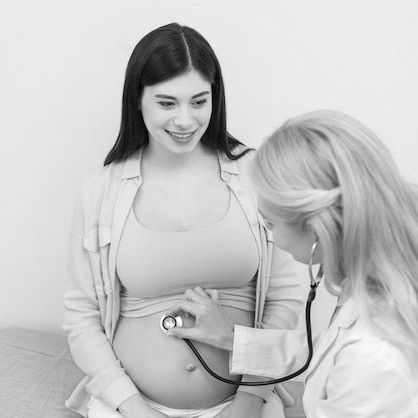


Many early pregnancy symptoms are similar to those of PMS, and breast pain is one of them. Since this discomfort can appear before you notice a missed period, it may be a useful indicator of pregnancy, but it is by no means definitive proof.
Why do breasts hurt both before menstruation and during early pregnancy? The second half of the menstrual cycle is called the luteal phase, during which the body produces more progesterone, a key hormone that supports the early stages of pregnancy. Progesterone levels peak about a week after ovulation, even if pregnancy has not occurred.
High levels of this hormone cause changes that lead to similar symptoms both in early pregnancy and before menstruation. These include: breast pain; swelling; increased appetite; fatigue; low mood; constipation; increased nipple sensitivity; headaches.
How can you tell the difference?
In early pregnancy, the breasts increase in size and become firmer under the influence of estrogen and progesterone. Just a few days after conception, the breasts may become sore or especially sensitive. This symptom usually subsides within a few weeks, which is enough time for the body to adapt to the new hormone levels.
Unfortunately, it is not always possible to determine whether breast pain is caused by an upcoming period or the beginning of pregnancy. This is especially true if you commonly experience breast tenderness, swelling, and sensitivity during PMS. The only way to know for sure whether you are pregnant is to take a pregnancy test.
When should you take a pregnancy test if you have breast pain?
All home pregnancy tests work by measuring the level of human chorionic gonadotropin (hCG) in the urine. An early pregnancy test can be taken eight days after conception. For the most accurate results, wait approximately 10–14 days after unprotected intercourse.
If you have an irregular menstrual cycle, wait a number of days equal to the length of your longest cycle during the past six months before taking a test. It is important to understand that although some test manufacturers claim results can be obtained as early as four to five days before the expected period, their accuracy is only about 60%. Therefore, such results should be interpreted with caution. If the result is negative but you still suspect pregnancy, wait a few days and repeat the test. Any positive pregnancy test result should be followed by a consultation with a healthcare provider, who can advise you on the next steps.
Which symptoms differ between pregnancy and menstruation?
Breast pain is not the only symptom associated with early pregnancy. Other signs are generally more specific to pregnancy than to PMS. Breast changes caused by pregnancy hormones, such as soreness or sensitivity, tend to persist rather than disappear shortly before menstruation begins.
Another characteristic sign is that the areolas become darker and larger in diameter. You may also notice that the small bumps normally located on the areolas become more prominent. These bumps are known as Montgomery glands and help prepare the nipples and areolas for possible breastfeeding.
Implantation bleeding is another possible sign. It consists of light spotting that appears a few days or up to a week before the expected period. It is usually much lighter than menstrual bleeding and may last from a few hours to several days.
Morning sickness is a much more obvious sign of pregnancy rather than PMS. The term “morning sickness” can be misleading because nausea and vomiting may occur at any time of the day.
When should you be concerned?
Even if your pregnancy test is negative, if your period is delayed by more than one to two weeks, you should consult a gynecologist at the Bogolyuby Medical Center. A specialist may recommend a beta-hCG test to confirm pregnancy, as well as other blood tests to check for hormonal disorders, such as thyroid disease, which can affect your menstrual cycle.