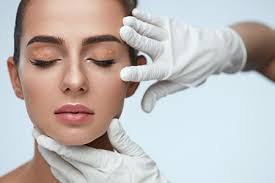

Xanthelasma is a type of xanthoma, a term used to describe a group of conditions associated with the accumulation of fats in the skin. Xanthelasma appears as soft yellowish plaques that typically develop on the upper and lower eyelids. These formations are often painless and can vary in size, sometimes merging into larger patches. Although xanthelasma itself is not a disease, its presence may indicate high cholesterol levels.
What causes xanthelasma?
Currently, no infectious agents or environmental factors are directly linked to the development of xanthelasma. This condition is primarily associated with lipid metabolism disorders rather than infections or environmental toxins.
Genetic predisposition plays a significant role in the development of this condition. People with a family history of elevated blood lipids or xanthomas are at higher risk. Certain hereditary disorders, such as hypercholesterolemia, can lead to elevated cholesterol levels and contribute to the formation of xanthelasma.
Risk factors and symptoms
Lifestyle and dietary habits also significantly influence the development of xanthelasma. Diets high in saturated fats, trans fats, and cholesterol can raise blood lipid levels. Other risk factors include a sedentary lifestyle, obesity, smoking, and excessive alcohol consumption.
Xanthelasma is more common in middle-aged and older individuals, especially after the age of 40. Women are more likely than men to develop this condition. Diabetes, liver diseases, and hypothyroidism can also increase the risk.
The main symptom of xanthelasma is the presence of yellowish plaques on the eyelids. They may be flat or slightly raised, soft to the touch, and yellowish in color, resembling small fat deposits.
When to see a doctor
Consult a dermatologist if you notice rapid plaque growth, changes in color or texture, vision disturbances, or discomfort.
Although xanthelasma is often diagnosed based on appearance alone, additional tests can help assess lipid levels and rule out other conditions. These may include:
• lipid profile — blood test for cholesterol and triglycerides;
• liver function tests;
• thyroid function tests.
Specialists at the “Bogoliuby” Medical Center will perform differential diagnostics with conditions that resemble xanthelasma — seborrheic keratosis, chalazion, basal cell carcinoma — and select the optimal treatment strategy.
Aesthetic treatments for xanthelasma include chemical peels, cryotherapy, laser therapy, and surgical removal. To maintain results and prevent recurrence, dietary changes, regular physical activity, weight control, smoking cessation, and limiting alcohol consumption are important.
Special categories of patients include children — as this condition is extremely rare in them and usually indicates a genetic lipid metabolism disorder — and elderly individuals, in whom xanthelasma tends to be more pronounced. In older patients, the choice of treatment depends on overall health status.
Xanthelasma is primarily a cosmetic issue, but it can serve as an important warning sign. Understanding the causes, symptoms, and treatment options helps manage the condition effectively. Xanthelasma typically has a chronic course and may persist or progress. However, lifestyle changes and timely treatment significantly improve the outlook.
Potential complications include psychological discomfort, progression of underlying lipid metabolism disorders, and increased cardiovascular risk.
Number of views: 494