Like penises, frenulums can also be different: they can be distinguished by greater or less thickness or by attachment to the head, and this is completely normal. We are talking about a short frenulum, when this part of the skin is not elastic or long enough for the foreskin to slide properly.
In the first decade of the 2000s, Drs T. Hugh Jones and Farid Saad examined the effect of testosterone on risk factors for atherosclerotic cardiovascular disease.
For most women, the menstrual cycle is a regular monthly event that occurs more or less punctually every 28 days. However, after reaching 40 years of age, it is very common to experience some changes. The cycle may tend to be irregular and vary in duration and intensity of bleeding. The reasons for this may be physiolo
What is withdrawal bleeding? When a woman regularly uses birth control pills, it is not new for her to experience bleeding for several days after the pack runs out. The so-called break week coincides with a temporary break in taking the hormones contained in the drug.
Breast diseases are a wide range of conditions that can negatively affect breast tissue. It is extremely important to know the typical signs of breast pathologies in order to identify any problems in a timely manner. In this article we will look at what “bells” you should pay attention to.
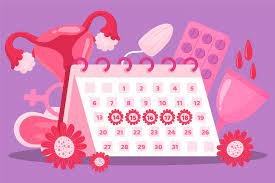
For a woman who does not have problems with the reproductive system, the menstrual cycle normally lasts from 21 to 35 days. The duration of the cycle is individual. Typically, fluctuations are possible between one and five days. Bleeding lasts from 2 to 7 days
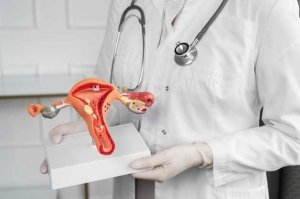
The uterus consists of three layers: outer, middle and inner. The outer or serous layer covers the outside of the uterus. The middle layer or myometrium is the muscular wall of the uterus. It has the ability to expand during pregnancy, allowing the fetus to grow, and contract so that birth can occur. The inner layer or
During pregnancy, as with a normal menstrual cycle, a woman may experience discharge. They may be bloody, pink, yellow, greenish or simply clear, like those that occur during the ovulation phase of the menstrual cycle. In this article we will look at each type of discharge.
Normal bladder function is the result of a complex interaction of neurological and psychological factors, as well as musculoskeletal and renal function. The combination of these physiological mechanisms, some voluntary and some involuntary...
Phimosis is a condition in which the foreskin - the skin covering the head of the penis - is particularly narrow. This anomaly is quite common in newborns and young children. The main negative consequence is that this condition can affect urination and normal sexual activity of the patient. In fact, it increases the ri
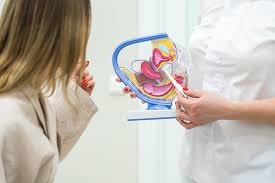
A tilted uterus is neither a disease nor a pathology, it is simply an abnormal position of the uterus, which can have consequences, especially for sex life. Women with a tilted uterus often experience pain during intercourse and during the menstrual cycle.
The testicles are contained in a skin sac called the scrotum, located under the penis. They produce sperm and testosterone, the male sex hormone. The blood circulating in the testicles passes through the spermatic cord, which starts from the abdominal cavity and reaches the scrotum.
Чи є у вас лікар уролог,і які у вас методи обстеження???
Clinic's answer: Так, Олександре, уролог є. У центрі можна здобити УЗД і усі необхідні лабораторні тести.
Минуло вже 3 місяці після ліпоабдомінопластики, і я дуже задоволена результатом! ❤️ Хочу щиро подякувати Івану Миколайовичу Пасічнику за професіоналізм, уважність та чудово виконану роботу. Животик…
Clinic's answer: Дякуємо, Ольго, що ділитеся своїм позитивним досвідом. Для нас приємно і важливо мати…
Дякуємо за можливість стати батьками Вадиму Валентиновичу і всьому персоналу! Завдяки вашій праці, вашим зусиллям здійснилась найбільша мрія нашого життя!
Clinic's answer: Спасибі, Оксано, за Ваш вибір та відгук. Бажаємо здоров'я Вашій родині.
Те саме що обласна ,лише за гроші. Збирають величезну чергу , тоді прилітає дохтор, 20 секунд всіх приймає, каже всі здорові ,ідіть платіть півтори тисячи за прийом.
Clinic's answer: Дякуємо за Ваш відгук, Миколо. Ми дуже вболіваємо за якість прийому та за задоволеність…
Хочу висловити щиру вдячність хірургу Філончук Надії Анатоліївні за професіоналізм, золоті руки та неймовірну турботу! ❤️ Дякую Вам за проведену пластичну операцію зі зменшення грудей, за уважність,…
Clinic's answer: Дякуємо за ваш відгук і довіру до Надії Анатоліївни! Нам дуже приємно, що результат…
Дуже хороша клініка і лікарі ,окрема подяка за свою роботу Ройко Ірині Юрівні лікар від Бога ,не назначає лишніх аналізів ,гарний підхід до кожного клієнта ,і головне досягнення своєї мрії…
Clinic's answer: Щиро вдячні Вам, Ірино, за високу оцінку роботи нашого фахівця.
Дуже хороша людина. Талановитий лікар від Бога! Дякую Вам Василь Миколайович!!!
Clinic's answer: Щиро дякуємо, Людмило, за Ваш відгук!
Серйозні операції потрібно довіряти лише серйозним і крутим лікарям, бо здоров’я, то найцінніше і не ним не можна нехтувати і ризикувати, довіряти робити операцію можна лише найкращим фахівцям у…
Clinic's answer: Дякуємо, Катерино, що Ви поділилися своїм досвідом та враженнями, для нас це дуже цінно!…
Хочу висловити вдячність лікарю гінекологу Олесі Олесівні!Була у неї на прийомі і моя щира рекомендація як спеціаліста так і людини!Всі ми трішки боїмося лікарів...а може і не трішки
Clinic's answer: Щиро дякуємо за Ваш відгук! Нам неймовірно приємно, що Ви знайшли час написати нам такі…
Хочу залишити відгук про найкращу лікарку, яка мені траплялася
Clinic's answer: Спасибі велике, Світлано, за Ваш відгук!
Я в захваті від результату блефаропластики! Усе чудово загоїлося, шрами непомітні. Лікар Надія — справжній професіонал: уважна, щира й дуже людяна. Вона детально все пояснила, тому я почувалася…
Clinic's answer: Щиро дякуємо за Ваш відгук та за Ваш позитив, чим швидшого Вам одужання і будьте…
Хороший сучасний центр. Нарікань нема. Багатьом медзакладам варто було б рівнятися на нього.
Clinic's answer: Дякуємо, Олександре, за Ваш відгук. Нам важлива Ваша думка.
Рекомендую вашу лікарню всім, хто має проблеми пожіночому, бо тут мені помогли, і все зробили і спасли мені органи, золоті руки Петровського В.В. і всі дівчата сестрички і лікарки молодці, всі…
Clinic's answer: Спасибі Вам за довіру і за те, що знайшли час написати ці слова. Дуже приємно читати, що…
Дякую Вадиму Валентиновичу і всій команді за наше чудо, чарівну донечку, яку ми дочекалися завдяки Вам! Миру Вам і Божого благословіння!
Clinic's answer: Щиро дякуємо, Катерино, що поділилися своїм досвідом, нам неймовірно приємно. Міцного…
На скільки днів вперед розписаний прийом пацієнтів у Петровського В. Запитую щоб спланувати свій запис. Дякую.
Clinic's answer: Запис на прийом до спеціалістів центру здійснюється за телефонами, вказаними на сайті.
Хочу висловити безмежну вдячність клініці та нашому лікарю — Анні Олександрівні. Наш шлях був непростим, але завдяки зусиллям команди та професіоналізму лікаря ми дочекалися на омріяну…
Clinic's answer: Дякуємо, що поділилися своєю історією з такою відвертістю! Для нас немає більшої…
Дякую Анні Олександрівні за консультацію та професіоналізм, лікар який щиро зацікавлений у тому, щоб допомогти! Дякую за уважність до деталей, хочеться довіряти своє подальше здоров’я саме Вам
Clinic's answer: Щиро дякуємо, Анастасіє, за Ваш відгук!
27 липня ми були з сестрою на огляді в Олесі Олесівни. Це найкраща лікарка, в якої я будь-коли особисто проходила огляд. Це той випадок, коли про огляд в гінеколога згадуєш з приємними відчуттями і…
Clinic's answer: Щиро дякуємо Вам за відгук та за Вашу думку, на жаль згідно з рекомендаціями міністерства…
Хочу щиро подякувати хірургу Пасічнику Івану Миколайовичу за його професіоналізм!Робила операція по підтяжці та зменшенню молочних залоз , результатом я дуже задоволена. Від першого дня, я почувалася…
Clinic's answer: Дякуємо, що поділилися досвідом! Ми дуже раді, що результат вас тішить. Приємно чути, що…