



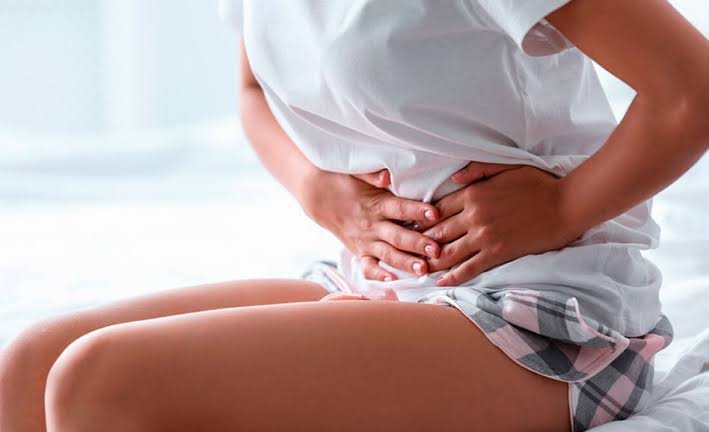
What happens in the body with endometriosis? In this condition, fragments of tissue similar to the lining of the uterus are found outside the uterine cavity. The most common locations include the ovaries, pelvic peritoneum, intestines, and bladder. Less commonly, endometrial-like tissue may be found outside the pelvis. These “islands” respond to female hormones in the same way as the uterine endometrium: they thicken and bleed during menstruation.
Why Does Endometriosis Develop?
The exact causes have not yet been fully established, but research suggests that the condition has a multifactorial origin. The most widely discussed theories include retrograde menstruation, immune and inflammatory changes, and genetic and family-related factors.
During retrograde menstruation, some menstrual blood flows backward through the fallopian tubes into the abdominal cavity instead of leaving the body. Cells similar to those of the endometrium can then attach themselves in this area. The immune system may fail to eliminate these misplaced endometrial cells effectively, allowing them to multiply. Having a first-degree relative with endometriosis also increases the risk of developing the condition.
When Can Menstrual Pain Indicate Endometriosis?
With endometriosis, menstrual pain is usually very intense and often requires frequent use of painkillers. It tends to be deep, felt “inside” the pelvis rather than as mild cramps. An important warning sign is that the pain becomes more severe over time.
Another common symptom is pain during sexual intercourse, especially with deep penetration. Women often feel embarrassed to discuss this and may keep it to themselves, but it can be an important diagnostic sign, particularly if it occurs almost every time in certain positions and leaves lingering lower abdominal pain after sex.
What Other Signs of Endometriosis Are There?
Depending on the location of the lesions, the following symptoms may occur: pain or burning during urination; intestinal cramps, diarrhea, or constipation, especially during menstruation; a chronic feeling of pressure in the pelvic area; and pain during bowel movements. Difficulty conceiving may also occur despite regular unprotected sexual intercourse. However, in some cases, endometriosis remains virtually asymptomatic and is discovered only by chance during examinations performed for other reasons or as part of fertility treatment.
The social normalization of menstrual pain and common phrases such as “period pain is normal” can prevent women from seeking medical help. The varying nature of symptoms also plays a role: they sometimes disappear spontaneously for several months, creating the illusion of improvement.
Is There a Solution for Endometriosis?
Pharmacological treatment is based on controlling the hormones that regulate the menstrual cycle. Combined hormonal contraceptives are most commonly used to reduce or stop menstruation, thereby limiting the stimulation of endometrial-like tissue.
A gynecologist may prescribe progestins, which create a hormonal environment that is unfavorable for the growth of endometriotic lesions. In certain cases, gonadotropin-releasing hormone analogues induce temporary medical menopause, which requires careful monitoring. Painkillers and anti-inflammatory medications are also used alongside hormone therapy.
When the problem cannot be resolved with medication, when large ovarian cysts are present, or when the disease affects the intestines, bladder, or other organs, surgery may be appropriate. Such procedures are successfully performed by specialists at Bogolybu Medical Center.
Today, surgery is generally aimed at removing endometriotic lesions and cysts, dividing adhesions, and preserving the uterus and ovaries, especially in women who are planning to become pregnant. It is important to understand that endometriosis can recur even after surgery, which is why surgical treatment is often combined with ongoing supportive medical therapy.
Specialists
 ProfileKushnir Sviatoslav VolodymyrovychObstetricians-gynecologists, Doctor of higher categoryExperience: 24 years0
 ProfilePatei Petro MykolaiovychObstetricians-gynecologists. I-st category doctorExperience: 10 years0
 ProfilePetrovskyi Vadym ValentynovychDirector and Chief doctor of Bogoliuby Medical Center, Ph.D. in medical science, Doctor of higher category, Obstetricians-gynecologistsExperience: 16 years0
 ProfileSchepko Evgeniya VolodymyrivnaObstetricians and gynecologists, fertility specialist. Doctor of higher categoryExperience: 19 years0
What do we offer in your case?
Tell us about your problem and we will help you!
Tell about your case