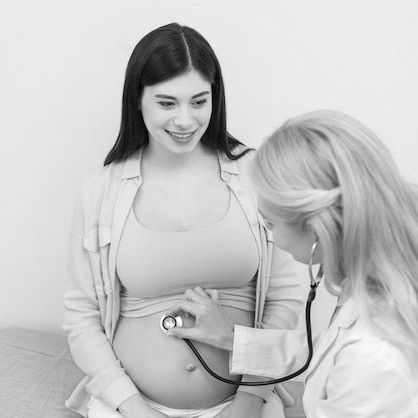

Among healthy individuals, pregnant women belong to the risk group most susceptible to iron deficiency. The female body needs to absorb more iron than it usually loses, and even with a “normal” diet, the risk of deficiency increases. Increased iron intake during the second half of pregnancy not only improves the blood’s ability to carry oxygen but also creates a “safety reserve” in case of blood loss during childbirth.
Iron Metabolism During Pregnancy
On average, a woman’s body contains about 2.2 g of iron. Most of this iron is essential, as it participates in the transport and utilization of oxygen. Ferritin and hemosiderin represent reserves that can be mobilized when dietary iron intake is insufficient. Therefore, vulnerability to deficiency also depends on the amount of iron stores available at the beginning of pregnancy.
Iron Losses: How Do They Occur?
The main losses occur through blood. Menstrual losses make a significant contribution. In cases of menorrhagia, daily losses may more than double, contributing to the development of deficiency even before conception. The use of oral contraceptives generally reduces menstrual losses and is associated with increased iron stores. Conversely, other conditions, such as blood donation or frequent aspirin use, may increase iron losses and the risk of deficiency.
The body’s iron content primarily depends on how much dietary iron is absorbed in the intestine. This percentage can vary considerably. Bioavailability depends both on the diet and on the regulatory mechanism in the intestinal mucosa that responds to iron stores.
Heme and Non-Heme Iron: What Changes in the Diet?
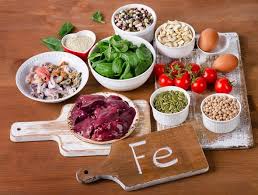
Dietary iron comes in two forms: heme and non-heme.
Heme iron is found in animal-based products, is better absorbed, and is less affected by other dietary components. Non-heme iron, especially in plant-based foods, accounts for the majority of dietary iron, and its absorption largely depends on the composition of the meal. Absorption of non-heme iron decreases when consuming foods rich in whole grains and legumes, milk, tea, and certain vegetables high in polyphenols. Conversely, small amounts of meat and foods rich in vitamin C can enhance iron absorption from the entire meal by keeping it in a more soluble form. Another important aspect concerns the interaction of iron with other nutrients, particularly zinc, since high doses of iron may reduce zinc absorption when taken together on an empty stomach.
What Are the Iron Requirements During Pregnancy?
The total iron requirement for a pregnant woman is estimated at approximately 1,000 mg. Part of this iron is distributed to the fetus and placenta, part is lost with blood during childbirth, and part is used to increase the mother’s red blood cell mass. In practice, most of this requirement is concentrated in the second and third trimesters. This is equivalent to the body needing to accumulate, over several months, an additional daily amount of absorbed iron significantly exceeding that required in the non-pregnant state.
A reasonable time to begin taking iron supplements in a moderate dose is after the 12th week, when iron requirements begin to increase significantly. Higher doses, for example 60–120 mg per day, often in divided doses, may be prescribed by a gynecologist if laboratory signs of anemia are present at any stage of pregnancy. Once hemoglobin levels return to the appropriate range for the given trimester, the dose can be reduced to a maintenance level.
In most cases, iron deficiency is the main cause of anemia up to 24 weeks of pregnancy. Additionally, low hemoglobin levels at birth may also reflect an earlier gestational age. As for iron stores in newborns, available data often show little or no difference between infants born to mothers with low iron levels and those born to mothers with adequate iron intake.
Number of views: 123