



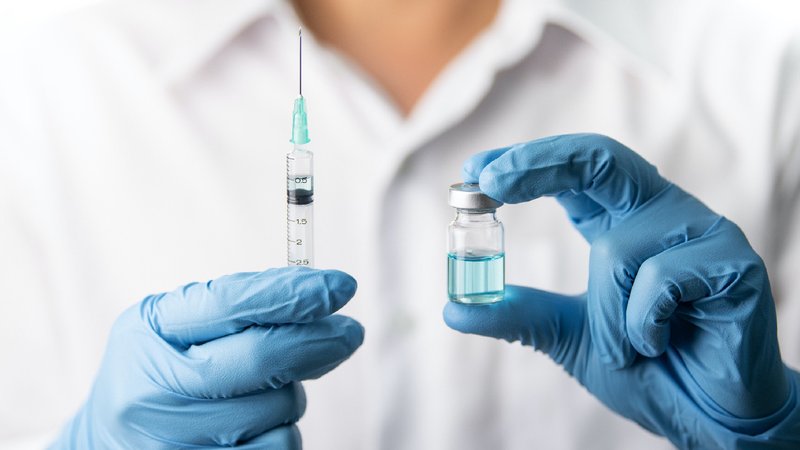
Human papillomavirus (HPV) is a virus that affects the cells of the skin and mucous membranes. It is so widespread that almost all sexually active men and women become infected with it at some point in their lives. In most cases, the virus clears within a few months or years without causing any consequences. There are different strains of this virus, and some of them can cause genital warts and certain types of cancer, namely cervical, vulvar, vaginal, anal canal, anal, penile, and oropharyngeal cancer.
There is currently no treatment for the virus itself, but there are treatments for the health problems caused by HPV. If left untreated, genital warts may disappear on their own, remain unchanged in size, or increase in size or number. Prevention is always better than treatment. HPV-related cancers are more treatable when diagnosed and treated at an early stage.
How can you reduce the risk of HPV infection?
The only reliable way to completely eliminate the risk of HPV infection is to abstain from sexual activity. If you decide to be sexually active, the most effective strategy for preventing genital HPV is to remain faithful to an uninfected partner. However, it is difficult to determine whether a partner who has previously been sexually active is currently infected. In Europe, as well as worldwide, two vaccines have been approved for HPV prevention: Gardasil and Cervarix. Both vaccines are highly effective in preventing HPV 16 and 18 infections, the two most dangerous HPV types responsible for most cases of cervical cancer. Gardasil is also effective in preventing HPV 6 and 11 infections, which cause almost all cases of genital warts. Recently, its coverage has been expanded to include nine viral strains: genital warts — 6, 11; cancer — 16, 18, 31, 33, 45, 52, 58.
Specialists at Bogolybu Medical Center emphasize that neither vaccine prevents other sexually transmitted infections, nor can it cure an existing infection or cancer that has already developed. For this reason, it is important for vaccinated women to continue undergoing screening examinations.
How do HPV vaccines work?
Certain components on the surface of HPV are capable of triggering an immune response that protects the body against infection, which is why they are used as the basis for the vaccine. These non-infectious vaccines stimulate the immune system to produce antibodies that prevent cells from being infected by “complete” and active HPV. The protective mechanism is believed to involve stimulating the production of antibodies that prevent mutations from developing in cervical cells that could lead to cancer. Immune protection after vaccination lasts for at least 8 years with Gardasil and 9 years with Cervarix.
What are the side effects of vaccination?
In most cases, minor side effects are reported, such as fever, headache, redness, and pain at the injection site. Possible but less common side effects include nausea, pain in the hands or feet, hives, and bronchospasm. For some time, it was suggested that vaccines might trigger the development of chronic fatigue syndrome, but this has not been conclusively proven.
Vaccination campaigns are important because they could potentially reduce global mortality from cervical cancer by approximately two-thirds. Vaccination also reduces the need for medical care, biopsies, and invasive procedures required when Pap smear results are abnormal.
Who should get vaccinated?
Both Gardasil and Cervarix have been proven effective only when administered before infection, so vaccination is recommended before the start of sexual activity. Data from the manufacturer of Gardasil indicate that the vaccine is highly effective in preventing genital warts associated with HPV types 6 and 11, two forms of human papillomavirus responsible for most cases of genital warts in men. Therefore, vaccination is beneficial not only for women but also for men, although the incidence of anal canal, anal, penile, and oropharyngeal cancers is statistically much lower than that of cervical cancer.
Specialists
 ProfileKargol Olena VitaliivnaObstetricians and gynecologists. Doctor of higher categoryExperience: 25 years0
 ProfileKushnir Sviatoslav VolodymyrovychObstetricians-gynecologists, Doctor of higher categoryExperience: 24 years0
 ProfilePatei Petro MykolaiovychObstetricians-gynecologists. I-st category doctorExperience: 10 years0
 ProfilePets Liudmyla AndriivnaObstetricians-gynecologists, fertility specialist, gynecological endocrinology. Doctor of higher categoryExperience: 25 years0
What do we offer in your case?
Tell us about your problem and we will help you!
Tell about your case