The menstrual cycle during the hot season can cause real discomfort to a woman. Delays are possible, menstruation itself becomes more painful, not to mention the irritation caused by the use of sanitary pads in contact with the skin. Let's look at this in more detail.
Sometimes gelatinous lumps are observed in the sperm that is released during ejaculation. This can be concerning, but if it is random and not associated with other accompanying symptoms, it should not usually be interpreted as a warning sign.
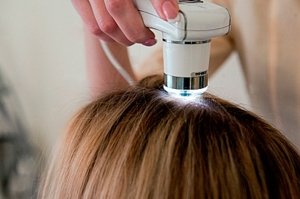
Hair loss in women is often closely related not only to stress, but also to hormonal imbalances. This state of affairs often affects menopausal women over 60, as well as young girls who suffer from polycystic ovary syndrome, insulin resistance or metabolic syndrome.
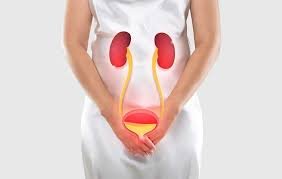
Cystitis is a very common problem, especially in women, and can be caused by a variety of factors. In most cases, the disease is triggered by bacteria that are normally present in the human body (for example, in the intestines).
Early signs of pregnancy - the succession of manifestations of a different character, which is blamed after conception. The most obvious and obvious sign is a delay in menstruation, starting from the first cycle after the flood. However, this is not the only symptom of changes associated with pregnancy.
In this article we will talk about inflammation of the skin caused by the irritating effect of sweat on the skin. Sweat dermatitis is more common in the warm season, when a person sweats profusely. Sweating is one of the physiological mechanisms used by our body to balance the loss and gain of heat. In other words, inc
he infection triggers an inflammatory process of a suppurative nature in the kidney with the formation of small abscesses that spread in the affected organ. Spicy pyelonephritis has a benign course, with proper treatment, the symptoms tend to regress after about two weeks.
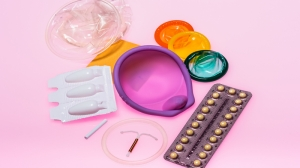
Spermicides are chemical contraceptives that immobilize or destroy sperm before they reach the uterus. Although they are not known to be able to guarantee complete protection against unwanted pregnancies, spermicides continue to attract the attention of sexually active people.
Can you get a sexually transmitted disease through kissing? In terms of sexual activity, kissing seems harmless enough. In fact, when it comes to the transmission of sexually transmitted diseases (STDs), kissing is not entirely safe.
Most people think they know how to use a condom, but make mistakes that easily compromise the effectiveness of this method of contraception. If simple precautions are neglected during oral, anal and vaginal sex, the risk of sexually transmitted infections and unwanted pregnancies is very real.
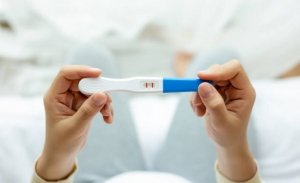
Tests to establish or exclude pregnancy are of two types: the first is a kit for home use, which can be found in pharmacies and done at home using morning urine; the second is a blood test conducted in the laboratory and necessary to reliably confirm the result.
Hair on the head is a phenomenon, the causes of which can have different origins and nature . They are not a disease, but are most often a symptom or a consequence of the main pathological condition. In some cases, the appearance of a crust is caused by non-pathological factors.
Серйозні операції потрібно довіряти лише серйозним і крутим лікарям, бо здоров’я, то найцінніше і не ним не можна нехтувати і ризикувати, довіряти робити операцію можна лише найкращим фахівцям у…
Clinic's answer: Дякуємо, Катерино, що Ви поділилися своїм досвідом та враженнями, для нас це дуже цінно!…
Хочу висловити вдячність лікарю гінекологу Олесі Олесівні!Була у неї на прийомі і моя щира рекомендація як спеціаліста так і людини!Всі ми трішки боїмося лікарів...а може і не трішки
Clinic's answer: Щиро дякуємо за Ваш відгук! Нам неймовірно приємно, що Ви знайшли час написати нам такі…
Хочу залишити відгук про найкращу лікарку, яка мені траплялася
Clinic's answer: Спасибі велике, Світлано, за Ваш відгук!
Я в захваті від результату блефаропластики! Усе чудово загоїлося, шрами непомітні. Лікар Надія — справжній професіонал: уважна, щира й дуже людяна. Вона детально все пояснила, тому я почувалася…
Clinic's answer: Щиро дякуємо за Ваш відгук та за Ваш позитив, чим швидшого Вам одужання і будьте…
Хороший сучасний центр. Нарікань нема. Багатьом медзакладам варто було б рівнятися на нього.
Clinic's answer: Дякуємо, Олександре, за Ваш відгук. Нам важлива Ваша думка.
Рекомендую вашу лікарню всім, хто має проблеми пожіночому, бо тут мені помогли, і все зробили і спасли мені органи, золоті руки Петровського В.В. і всі дівчата сестрички і лікарки молодці, всі…
Clinic's answer: Спасибі Вам за довіру і за те, що знайшли час написати ці слова. Дуже приємно читати, що…
Дякую Вадиму Валентиновичу і всій команді за наше чудо, чарівну донечку, яку ми дочекалися завдяки Вам! Миру Вам і Божого благословіння!
Clinic's answer: Щиро дякуємо, Катерино, що поділилися своїм досвідом, нам неймовірно приємно. Міцного…
На скільки днів вперед розписаний прийом пацієнтів у Петровського В. Запитую щоб спланувати свій запис. Дякую.
Clinic's answer: Запис на прийом до спеціалістів центру здійснюється за телефонами, вказаними на сайті.
Хочу висловити безмежну вдячність клініці та нашому лікарю — Анні Олександрівні. Наш шлях був непростим, але завдяки зусиллям команди та професіоналізму лікаря ми дочекалися на омріяну…
Clinic's answer: Дякуємо, що поділилися своєю історією з такою відвертістю! Для нас немає більшої…
Дякую Анні Олександрівні за консультацію та професіоналізм, лікар який щиро зацікавлений у тому, щоб допомогти! Дякую за уважність до деталей, хочеться довіряти своє подальше здоров’я саме Вам
Clinic's answer: Щиро дякуємо, Анастасіє, за Ваш відгук!
27 липня ми були з сестрою на огляді в Олесі Олесівни. Це найкраща лікарка, в якої я будь-коли особисто проходила огляд. Це той випадок, коли про огляд в гінеколога згадуєш з приємними відчуттями і…
Clinic's answer: Щиро дякуємо Вам за відгук та за Вашу думку, на жаль згідно з рекомендаціями міністерства…
Хочу щиро подякувати хірургу Пасічнику Івану Миколайовичу за його професіоналізм!Робила операція по підтяжці та зменшенню молочних залоз , результатом я дуже задоволена. Від першого дня, я почувалася…
Clinic's answer: Дякуємо, що поділилися досвідом! Ми дуже раді, що результат вас тішить. Приємно чути, що…
Прийшов у клініку без попереднього запису. Адміністратор зв’язалася з лікарем, уточнила можливість прийому і повідомила, що переді мною лише один пацієнт. Я погодився зачекати.Минуло більше години.…
Clinic's answer: Щиро просимо у Вас вибачення, вийшла не зовсім вдала комунікація між рецепцією і лікарем.…
Дякуємо з чоловіком Вам за синочка, Вадим Валентинович! Ваша віра в успіх і професіоналізм творять дива!
Clinic's answer: Ваша віра в нас — найкраща мотивація рухатися далі. Дякуємо, що знайшли час поділитися…
Дуже некомпетентний лікар. Звернулась зі скаргою на тривале і значне зменшення грудей і зміну форми без очевидної причини або втрати ваги. Перше що почула: "навіщо вам їх змінювати?" "ви видумали"…
Clinic's answer: Нам дуже прикро, що Ви залишились незадоволені консультацією. УЗД малого тазу лікар…
Хочу висловити щиру подяку акушеру-гінекологу Копелюк Анні Олександрівні за високий професіоналізм, делікатність та уважність. Це лікар, який вміє вислухати, створити комфортну атмосферу під час…
Clinic's answer: Спасибі, Яно, за теплі слова на адресу нашого лікаря. Для нас найвища нагорода — знати,…
Два місяці тому мені зробили операцію зі зменшення молочних залоз, і сьогодні я хочу щиро подякувати хірургу Пасічнику Івану Миколайовичу за його професіоналізм, уважність і золоті руки. З першої…
Clinic's answer: Щиро дякуємо за Ваш відгук та за Ваші теплі слова, нам неймовірно приємно, хочеться…
Ми з чоловіком довго чекали на вагітність, пройшли безліч лікарів і аналізів, але все було безрезультатно. Саме коли я звернулася до Ірини Юріївни Ройко за рекомендацією іншого лікаря, я побачила в…
Clinic's answer: Щиро дякуємо за Ваш відгук! Нам неймовірно приємно, що Ви знайшли час написати нам такі…