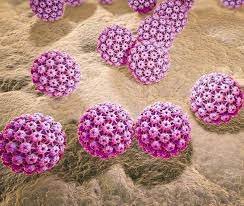
Genital warts are lesions that appear as growths of the skin and mucous membranes, predominantly located on the vulva and around the anus. They are caused by certain types of HPV (human papillomavirus), the same pathogen that is responsible for the formation of warts in other anatomical areas. The infection is mainly,
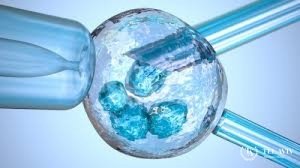
When it comes to cryopreservation oocytes , refers to the freezing of eggs in order to preserve them for a long time, providing, at the same time, unchanged storage conditions. In other words, cryopreservation oocytes can be considered as a way to preserve fertility.
Glomerulonephritis is inflammatory a disease that affects the kidneys, in particular the glomeruli, disrupting their filtering capacity. As a result of the inflammatory process, the cells of the kidney sieves expand, and the glomeruli secrete blood components that are kept within the norm: proteins and erythrocytes. Th
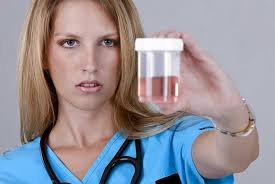
Pink urine has various origins and meanings. In some cases, this symptom is explained by changes associated with the abundant intake of certain foods (beets, rhubarb) or the intake of certain medications (laxatives based on cascara , phenacetin, fentoin , ibuprofen, methyldopa, rifampicin).
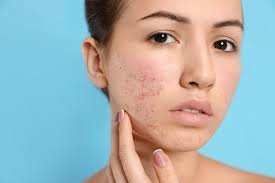
Cystic acne is a dermatological disease characterized by painful and sometimes combined nodular-cystic formations under the skin. They represent the most severe variant of acne . The clinical picture is most striking, primarily in adolescence, but it may appear later.
Often, men observe formations on the genitals that resemble small pimples. They usually appear during puberty and are a common cause for concern. We will talk about Fordyce granules , which have nothing to do with sexual infections, or poor hygiene, or cancerous tumors, as the patient initially begins to assume when he
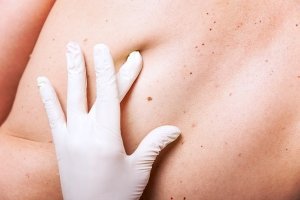
Many moles, by their location, size and color, can both decorate a person’s appearance and disfigure it. We are all used to the usual brown moles, but there are also red moles, which in medical language are called ruby angiomas . These angiomas are benign tumor formations originating from blood vessels.
Menstruation, in addition to abdominal and back pain, as well as increased fatigue, irritability, mood swings and insomnia, is often characterized by sudden attacks of hunger , sometimes even uncontrollable. There is an explanation for this. At this time, a woman's body needs certain nutrients and minerals.
In medical circles, gallstones are more commonly known as biliary stones. lithiasis . Statistics show that 15% of the population are carriers of such stones, and only 30% develop typical symptoms of the disease. The prevalence of biliary lithiasis increases with age and ranges from 5% around age 30 to more than 25% ove
Kidney failure is a condition that indicates the inability of the kidneys to perform their functions properly. Urologists and nephrologists distinguish between two types of kidney failure: acute and chronic. The criterion for difference is the rate at which the kidneys lose their functionality.
There are many situations in life that require emergency contraception. What if the sexual intercourse was unprotected, and pregnancy is not included in the immediate plans, the barrier method failed (the integrity of the condom was broken), the scheduled intake of the hormonal pill was missed, violence occurred? In su
Subcutaneous pimples look like bumps under the skin of different sizes. In some cases, they are so small that they can only be felt by touch, while in other cases they are large and noticeable. Sometimes they cannot be identified by touch, but their presence is detected, as the skin in the affected area turns red and b
Серйозні операції потрібно довіряти лише серйозним і крутим лікарям, бо здоров’я, то найцінніше і не ним не можна нехтувати і ризикувати, довіряти робити операцію можна лише найкращим фахівцям у…
Clinic's answer: Дякуємо, Катерино, що Ви поділилися своїм досвідом та враженнями, для нас це дуже цінно!…
Хочу висловити вдячність лікарю гінекологу Олесі Олесівні!Була у неї на прийомі і моя щира рекомендація як спеціаліста так і людини!Всі ми трішки боїмося лікарів...а може і не трішки
Clinic's answer: Щиро дякуємо за Ваш відгук! Нам неймовірно приємно, що Ви знайшли час написати нам такі…
Хочу залишити відгук про найкращу лікарку, яка мені траплялася
Clinic's answer: Спасибі велике, Світлано, за Ваш відгук!
Я в захваті від результату блефаропластики! Усе чудово загоїлося, шрами непомітні. Лікар Надія — справжній професіонал: уважна, щира й дуже людяна. Вона детально все пояснила, тому я почувалася…
Clinic's answer: Щиро дякуємо за Ваш відгук та за Ваш позитив, чим швидшого Вам одужання і будьте…
Хороший сучасний центр. Нарікань нема. Багатьом медзакладам варто було б рівнятися на нього.
Clinic's answer: Дякуємо, Олександре, за Ваш відгук. Нам важлива Ваша думка.
Рекомендую вашу лікарню всім, хто має проблеми пожіночому, бо тут мені помогли, і все зробили і спасли мені органи, золоті руки Петровського В.В. і всі дівчата сестрички і лікарки молодці, всі…
Clinic's answer: Спасибі Вам за довіру і за те, що знайшли час написати ці слова. Дуже приємно читати, що…
Дякую Вадиму Валентиновичу і всій команді за наше чудо, чарівну донечку, яку ми дочекалися завдяки Вам! Миру Вам і Божого благословіння!
Clinic's answer: Щиро дякуємо, Катерино, що поділилися своїм досвідом, нам неймовірно приємно. Міцного…
На скільки днів вперед розписаний прийом пацієнтів у Петровського В. Запитую щоб спланувати свій запис. Дякую.
Clinic's answer: Запис на прийом до спеціалістів центру здійснюється за телефонами, вказаними на сайті.
Хочу висловити безмежну вдячність клініці та нашому лікарю — Анні Олександрівні. Наш шлях був непростим, але завдяки зусиллям команди та професіоналізму лікаря ми дочекалися на омріяну…
Clinic's answer: Дякуємо, що поділилися своєю історією з такою відвертістю! Для нас немає більшої…
Дякую Анні Олександрівні за консультацію та професіоналізм, лікар який щиро зацікавлений у тому, щоб допомогти! Дякую за уважність до деталей, хочеться довіряти своє подальше здоров’я саме Вам
Clinic's answer: Щиро дякуємо, Анастасіє, за Ваш відгук!
27 липня ми були з сестрою на огляді в Олесі Олесівни. Це найкраща лікарка, в якої я будь-коли особисто проходила огляд. Це той випадок, коли про огляд в гінеколога згадуєш з приємними відчуттями і…
Clinic's answer: Щиро дякуємо Вам за відгук та за Вашу думку, на жаль згідно з рекомендаціями міністерства…
Хочу щиро подякувати хірургу Пасічнику Івану Миколайовичу за його професіоналізм!Робила операція по підтяжці та зменшенню молочних залоз , результатом я дуже задоволена. Від першого дня, я почувалася…
Clinic's answer: Дякуємо, що поділилися досвідом! Ми дуже раді, що результат вас тішить. Приємно чути, що…
Прийшов у клініку без попереднього запису. Адміністратор зв’язалася з лікарем, уточнила можливість прийому і повідомила, що переді мною лише один пацієнт. Я погодився зачекати.Минуло більше години.…
Clinic's answer: Щиро просимо у Вас вибачення, вийшла не зовсім вдала комунікація між рецепцією і лікарем.…
Дякуємо з чоловіком Вам за синочка, Вадим Валентинович! Ваша віра в успіх і професіоналізм творять дива!
Clinic's answer: Ваша віра в нас — найкраща мотивація рухатися далі. Дякуємо, що знайшли час поділитися…
Дуже некомпетентний лікар. Звернулась зі скаргою на тривале і значне зменшення грудей і зміну форми без очевидної причини або втрати ваги. Перше що почула: "навіщо вам їх змінювати?" "ви видумали"…
Clinic's answer: Нам дуже прикро, що Ви залишились незадоволені консультацією. УЗД малого тазу лікар…
Хочу висловити щиру подяку акушеру-гінекологу Копелюк Анні Олександрівні за високий професіоналізм, делікатність та уважність. Це лікар, який вміє вислухати, створити комфортну атмосферу під час…
Clinic's answer: Спасибі, Яно, за теплі слова на адресу нашого лікаря. Для нас найвища нагорода — знати,…
Два місяці тому мені зробили операцію зі зменшення молочних залоз, і сьогодні я хочу щиро подякувати хірургу Пасічнику Івану Миколайовичу за його професіоналізм, уважність і золоті руки. З першої…
Clinic's answer: Щиро дякуємо за Ваш відгук та за Ваші теплі слова, нам неймовірно приємно, хочеться…
Ми з чоловіком довго чекали на вагітність, пройшли безліч лікарів і аналізів, але все було безрезультатно. Саме коли я звернулася до Ірини Юріївни Ройко за рекомендацією іншого лікаря, я побачила в…
Clinic's answer: Щиро дякуємо за Ваш відгук! Нам неймовірно приємно, що Ви знайшли час написати нам такі…