


Post contraceptive Amenorrhea
After stopping hormonal contraceptives, a woman may experience a lack of menstruation. This condition is known as postconcepceptive amenorrhea.
Read more
After stopping hormonal contraceptives, a woman may experience a lack of menstruation. This condition is known as postconcepceptive amenorrhea.
Read moreEvery day, television ads bombard our minds, annoyingly recalling the extreme importance of the normal balance of microflora. We may be fed up with this information, but there’s nowhere to get away from the truth; friendly symbiotic bacteria of the body should prevail to prevent the growth of pathogenic bacteria, impro
Read moreAnogenital warts or warts are one of the most common sexually transmitted infections. According to experts, at least half of sexually active people at least once in their lives have encountered this unpleasant phenomenon.
Read moreGestational diabetes is a disease associated with impaired glucose tolerance, diagnosed for the first time during pregnancy. The incidence of this type of metabolic pathology has increased significantly in recent decades, due to the predominance of a woman's sedentary lifestyle.
Read moreWhat is paraphimosis? How to treat it and what to do? Paraphimosis is pathological condition characterized by pinching of the head of the penis behind a shifted foreskin. If such a condition arose, then it is necessary to consult a doctor immediately, as dangerous and serious complications are possible.
Read moreNarrowing the foreskin is the classic definition of phimosis. But in fact, under the mask of phimosis, much more serious violations may be hiding than just preputial stenosis (narrowing). Phimosis will not be exactly called disease, as it means more anatomical features of male sexual morphology.
Read moreContinuing the current topic of osteoporosis, let us dwell in more detail on proper nutrition, which helped to avoid and control the risk of the aforementioned disease.
Read moreOne of the characteristic problems that many women face during the menopause is osteoporosis. Its development is largely facilitated by such factors as, for example, smoking, alcohol abuse, chronic diseases of the excretory system, hyperthyroidism and diabetes.
Read moreProviding the pregnant woman with the necessary amount of iodine is of great importance for the proper growth and development of the fetus. The norm of iodine in the food of an adult woman is about 150 micrograms per day.
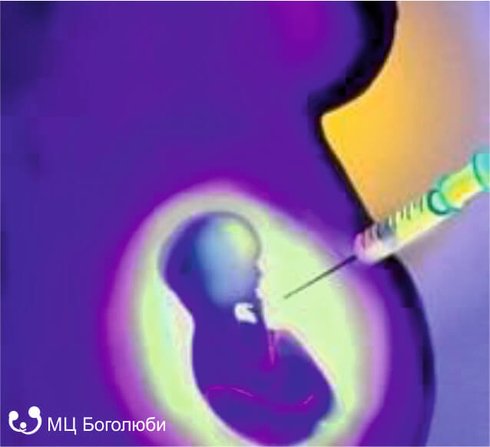
Read moreAmniocentesis is a minimally invasive intervention, mainly used for prenatal diagnosis of chromosomal abnormalities, infections and fetal development disorders, such as spinal cleavage and Down syndrome.
Read more