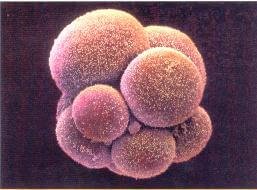
Once upon a time, when mankind did not yet have such a wonderful invention as a microscope, what kind of thoughts did not occur to people to explain the miracle of conception. In addition to the divine influence for this process, it was believed that tiny little men live in the male seed - homunculi, which, getting int
Continuing the topic of changes in the quality of sperm and sperm formation (see the previous article "Oligospermia and oligozoospermia"), today we will talk about such violations as aspermia and aspermatism. Aspermia is a disease characterized by the absence of spermatozoa and immature spermatogenesis cells in the sem
Questions from patients who are diagnosed with oligospermia and oligospermatism are often sent to our site’s mail. Men are interested in what, in fact, these diseases are, what is the difference and are there any prospects for having children?
Before birth, the lungs are filled with a liquid that has a high concentration of chlorides, a low protein content, a little mucus produced by the cells of the bronchial glands, and a surfactant. The amount of surfactant in the alveolar fluid increases, especially in the last weeks before birth.
At the end of the fifth week of embryogenesis, the intra-embryonic mesoderm forms the axial part on both sides of the midline, the intermediate part, and the lateral plate
The structure of birth membranes in twins can vary greatly, depending on the type of twins. About two-thirds of the twins are dizygotic; the frequency of their appearance is 7-11 per 1000 births, increasing with increasing age of the mother
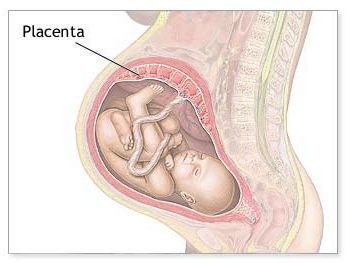
At the end of pregnancy, the placenta becomes of disk-shaped form with a diameter of 15-25 cm and of about 3 cm thickness and a 500-600 g. of weight. During childbirth, it breaks away from the uterine wall and approximately 30 minutes after the birth of the baby, it is expelled from the uterine cavity.
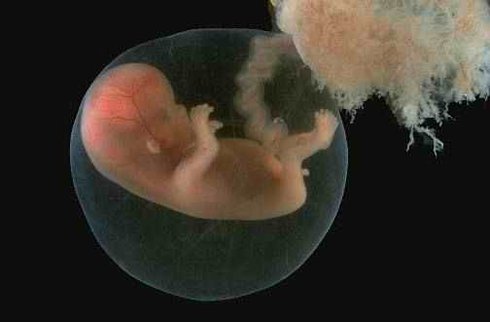
The period from the beginning of the third month to the end of fetal life is called the fetal, or fetal period. It is characterized by the maturation of tissues and organs and the rapid growth of the body.
The embryonic period lasts from the third to the eighth week of development. During this period, three folia embryonalia— the ectoderm, mesoderm, and endoderm — give rise to tissues and organ systems. As a result of the formation of organs, body contours are formed.
A characteristic event of the third week of development is gastrulation - the process of formation of three folia embryonalia (the ectoderm, mesoderm, and endoderm) of the embryo.
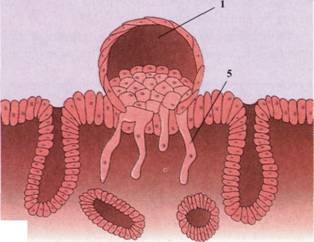
Sometimes abnormal implantation sites occur even in the uterus. Normally, a blastocyst is implanted along the posterior or anterior walls of the uterus. Occasionally, a blastocyst is implanted close to the internal pharynx of the cervix, which in the late stages of placenta development leads to blockage of the pharynx
Серйозні операції потрібно довіряти лише серйозним і крутим лікарям, бо здоров’я, то найцінніше і не ним не можна нехтувати і ризикувати, довіряти робити операцію можна лише найкращим фахівцям у…
Clinic's answer: Дякуємо, Катерино, що Ви поділилися своїм досвідом та враженнями, для нас це дуже цінно!…
Хочу висловити вдячність лікарю гінекологу Олесі Олесівні!Була у неї на прийомі і моя щира рекомендація як спеціаліста так і людини!Всі ми трішки боїмося лікарів...а може і не трішки
Clinic's answer: Щиро дякуємо за Ваш відгук! Нам неймовірно приємно, що Ви знайшли час написати нам такі…
Хочу залишити відгук про найкращу лікарку, яка мені траплялася
Clinic's answer: Спасибі велике, Світлано, за Ваш відгук!
Я в захваті від результату блефаропластики! Усе чудово загоїлося, шрами непомітні. Лікар Надія — справжній професіонал: уважна, щира й дуже людяна. Вона детально все пояснила, тому я почувалася…
Clinic's answer: Щиро дякуємо за Ваш відгук та за Ваш позитив, чим швидшого Вам одужання і будьте…
Хороший сучасний центр. Нарікань нема. Багатьом медзакладам варто було б рівнятися на нього.
Clinic's answer: Дякуємо, Олександре, за Ваш відгук. Нам важлива Ваша думка.
Рекомендую вашу лікарню всім, хто має проблеми пожіночому, бо тут мені помогли, і все зробили і спасли мені органи, золоті руки Петровського В.В. і всі дівчата сестрички і лікарки молодці, всі…
Clinic's answer: Спасибі Вам за довіру і за те, що знайшли час написати ці слова. Дуже приємно читати, що…
Дякую Вадиму Валентиновичу і всій команді за наше чудо, чарівну донечку, яку ми дочекалися завдяки Вам! Миру Вам і Божого благословіння!
Clinic's answer: Щиро дякуємо, Катерино, що поділилися своїм досвідом, нам неймовірно приємно. Міцного…
На скільки днів вперед розписаний прийом пацієнтів у Петровського В. Запитую щоб спланувати свій запис. Дякую.
Clinic's answer: Запис на прийом до спеціалістів центру здійснюється за телефонами, вказаними на сайті.
Хочу висловити безмежну вдячність клініці та нашому лікарю — Анні Олександрівні. Наш шлях був непростим, але завдяки зусиллям команди та професіоналізму лікаря ми дочекалися на омріяну…
Clinic's answer: Дякуємо, що поділилися своєю історією з такою відвертістю! Для нас немає більшої…
Дякую Анні Олександрівні за консультацію та професіоналізм, лікар який щиро зацікавлений у тому, щоб допомогти! Дякую за уважність до деталей, хочеться довіряти своє подальше здоров’я саме Вам
Clinic's answer: Щиро дякуємо, Анастасіє, за Ваш відгук!
27 липня ми були з сестрою на огляді в Олесі Олесівни. Це найкраща лікарка, в якої я будь-коли особисто проходила огляд. Це той випадок, коли про огляд в гінеколога згадуєш з приємними відчуттями і…
Clinic's answer: Щиро дякуємо Вам за відгук та за Вашу думку, на жаль згідно з рекомендаціями міністерства…
Хочу щиро подякувати хірургу Пасічнику Івану Миколайовичу за його професіоналізм!Робила операція по підтяжці та зменшенню молочних залоз , результатом я дуже задоволена. Від першого дня, я почувалася…
Clinic's answer: Дякуємо, що поділилися досвідом! Ми дуже раді, що результат вас тішить. Приємно чути, що…
Прийшов у клініку без попереднього запису. Адміністратор зв’язалася з лікарем, уточнила можливість прийому і повідомила, що переді мною лише один пацієнт. Я погодився зачекати.Минуло більше години.…
Clinic's answer: Щиро просимо у Вас вибачення, вийшла не зовсім вдала комунікація між рецепцією і лікарем.…
Дякуємо з чоловіком Вам за синочка, Вадим Валентинович! Ваша віра в успіх і професіоналізм творять дива!
Clinic's answer: Ваша віра в нас — найкраща мотивація рухатися далі. Дякуємо, що знайшли час поділитися…
Дуже некомпетентний лікар. Звернулась зі скаргою на тривале і значне зменшення грудей і зміну форми без очевидної причини або втрати ваги. Перше що почула: "навіщо вам їх змінювати?" "ви видумали"…
Clinic's answer: Нам дуже прикро, що Ви залишились незадоволені консультацією. УЗД малого тазу лікар…
Хочу висловити щиру подяку акушеру-гінекологу Копелюк Анні Олександрівні за високий професіоналізм, делікатність та уважність. Це лікар, який вміє вислухати, створити комфортну атмосферу під час…
Clinic's answer: Спасибі, Яно, за теплі слова на адресу нашого лікаря. Для нас найвища нагорода — знати,…
Два місяці тому мені зробили операцію зі зменшення молочних залоз, і сьогодні я хочу щиро подякувати хірургу Пасічнику Івану Миколайовичу за його професіоналізм, уважність і золоті руки. З першої…
Clinic's answer: Щиро дякуємо за Ваш відгук та за Ваші теплі слова, нам неймовірно приємно, хочеться…
Ми з чоловіком довго чекали на вагітність, пройшли безліч лікарів і аналізів, але все було безрезультатно. Саме коли я звернулася до Ірини Юріївни Ройко за рекомендацією іншого лікаря, я побачила в…
Clinic's answer: Щиро дякуємо за Ваш відгук! Нам неймовірно приємно, що Ви знайшли час написати нам такі…