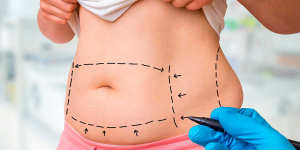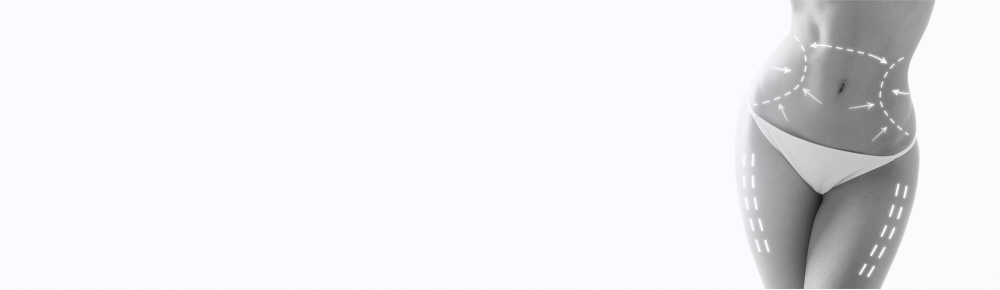

Liposuction is a surgical technique that removes excess subcutaneous fat deposits to reshape body contours and improve overall body aesthetics. The procedure is performed on areas of the body most prone to fat accumulation, such as the buttocks, abdomen, thighs, and knees.
This procedure should not be considered a quick and easy way to lose weight, but rather a полноценная surgical intervention that is useful for eliminating localized fat deposits resistant to diet and physical exercise.
How is the procedure performed?
The traditional liposuction technique involves inserting a thin cannula into the subcutaneous tissue, which is connected to a suction device. This device breaks down fat deposits. Once the desired result is achieved, the treated area is covered with a dressing to help shape the tissues.
Most liposuction procedures are performed under general anesthesia. Local anesthesia is sufficient only when liposuction is carried out on small areas of the body. The duration of the procedure ranges from 1 to 4 hours, depending on the amount of fat removed, the technique used, and the number of areas treated.
There are several liposuction methods, the most popular being ultrasound-assisted and laser-assisted techniques. During ultrasound liposuction, the surgeon uses a special device above or below the skin that emits ultrasound waves and breaks down the walls of fat cells, forming an emulsion. The liquefied fat is then removed. Ultrasound liposuction takes longer than other methods, but it is more precise and generally more effective for removing fat from fibrous areas of the body (for example, the male chest). A disadvantage is that it generates a significant amount of heat, and if the ultrasound cannula is not removed quickly enough, it may cause burns.
Laser liposuction works on principles similar to ultrasound liposuction, providing even results and faster postoperative recovery. At MC “Bogolyuby” laser technology is successfully used for liposuction procedures.
What should you know about side effects and complications?
Before deciding to undergo the procedure, it is important to understand that all surgical interventions carry certain risks. Liposuction is generally considered a safe procedure, and potential side effects are minimized, especially when avoiding prolonged operations or excessive fat removal. The likelihood of complications increases if large areas of the body need to be treated or if multiple procedures are planned within a single operation.
Before undergoing liposuction, it is important to weigh the risks and benefits, understanding its limitations and potential complications. Side effects, unlike complications, are temporary and minor unwanted consequences. Pain, swelling, and bruising usually subside gradually within one to two months but may persist for up to six months. Scars typically fade over several weeks, although in some patients scar healing may take up to a year. Tissue numbness may occasionally occur for several weeks.
Possible complications after liposuction include infections, embolism, and perforation of internal organs. With any incision, bacteria can enter the body. Skin infections after liposuction are rare but possible. In some cases, they may be serious or life-threatening. A doctor may prescribe antibiotics before and after surgery for preventive purposes. Fat droplets released during liposuction may enter the bloodstream. Fat emboli can travel through blood vessels to the lungs or brain, causing permanent disability or, in rare cases, death.
Final results become fully visible approximately 4 months after surgery, once postoperative swelling has resolved. The results can be long-lasting if the patient maintains a healthy lifestyle, including a balanced diet and regular physical activity.
Number of views: 240