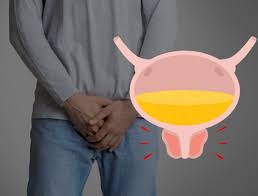

Before discussing "neurogenic bladder," let us recall that the urinary bladder itself is a hollow, muscular-membranous unpaired organ that serves to collect urine. It is located in the anterior region of the pelvis, resting on the pelvic floor, anterior to the rectum and above the prostate in men, and anterior to the uterus and vagina in women.
What is neurogenic bladder?
Neurogenic bladder, or neurogenic bladder dysfunction, is a disruption in the organ's function resulting from a disease of the central nervous system or the peripheral nerves involved in controlling urination. Depending on the cause, neurogenic bladder can lead to urinary retention or cause incontinence.
What are the causes of neurogenic bladder dysfunction?
The urinary bladder is connected to the central nervous system via peripheral sensory nerves and motor nerves. Peripheral sensory nerves are responsible for informing the central nervous system about the bladder's filling level. And peripheral motor nerves transmit impulses from the central nervous system to the bladder necessary for its emptying.
The causes of this disorder are all those conditions that disrupt the control of filling level or the control of bladder emptying. Such conditions include: spinal cord diseases; spinal injuries; brain tumors; multiple sclerosis; syphilis; Parkinson's disease; stress, cystitis. Pregnancy can also cause neurogenic bladder when the uterus, increasing in size due to fetal growth, presses on the neighboring peripheral nerves responsible for bladder control.
Types of neurogenic bladder
There are two forms of neurogenic bladder: flaccid and spastic. In patients with the flaccid form, urine volume is large, urine flow pressure is very low, and bladder contractions are absent.
In patients with the spastic form, urine volume is normal or below normal, and there are constant bladder contractions.
What are the symptoms?
The symptoms of the condition vary from patient to patient depending on whether the aforementioned bladder dysfunction is flaccid, spastic, or mixed.
Flaccid neurogenic bladder is accompanied by an inability to completely empty the bladder; urine dribbling after urination; in men, it is often associated with erectile dysfunction.
Spastic neurogenic bladder typically causes: frequent urination; nocturia; urgent urges to urinate, even when the bladder is not full.
How is it treated?
Neurogenic bladder requires, whenever possible, causal therapy and symptomatic therapy. Causal therapy involves eliminating the factor responsible for the condition; symptomatic therapy, on the contrary, involves alleviating the symptoms. If neurogenic bladder, for example, depends on peripheral neuropathy caused by diabetes mellitus, causal therapy would consist of all those treatment methods that allow maintaining blood glucose levels within normal limits.
Remaining within the scope of symptomatic therapy, patients with the spastic type of neurogenic bladder may benefit from so-called Kegel exercises, while patients with the flaccid type of neurogenic bladder may benefit from increased fluid intake throughout the day.
If urinary incontinence is due to pelvic organ prolapse, then an effective method for solving the problem is surgical intervention, namely, the placement of an allograft that holds the bladder in the correct position.
Whatever the cause of urination problems, it should not be left unattended. The modern diagnostic and therapeutic methods of the "Bogoluby" Medical Center allow for significant improvement in the patient's quality of life. The more timely your visit to a urologist, the lower the risk of developing complications: infections, stones, kidney failure.
Number of views: 870