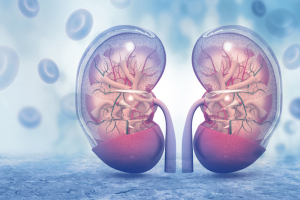

Our kidneys, each about the size of a computer mouse, are capable of filtering all the blood circulating in the body approximately every 30 minutes. Their primary function is to filter excess fluid and waste products from the blood, which are then excreted in the urine. The kidneys also produce hormones involved in blood pressure regulation, red blood cell production, and maintaining bone health. Therefore, kidney problems can have negative consequences for the entire body. In cases of severe kidney failure, a patient may eventually require dialysis or a kidney transplant to survive.
Chronic kidney disease (CKD) is a serious condition involving kidney damage that leads to a loss of the kidneys’ ability to effectively filter blood. The disease is called “chronic” because the damage develops slowly and over a long period of time.
What Causes Chronic Kidney Disease?
Diabetes is the leading cause of chronic kidney disease. High blood sugar levels damage the blood vessels in the kidneys, and this damage can be so severe that nearly one in three people with diabetes develops kidney problems. Hypertension (high blood pressure) is the second most common cause of CKD and is also associated with impaired blood circulation in the kidneys.
Other contributing conditions include polycystic kidney disease, infections, nephrotoxic medications (such as lithium), systemic and autoimmune diseases, and renal artery stenosis.
Risk Factors for CKD: What Should You Know?
Recent scientific studies have demonstrated a two-way relationship between kidney and heart disease. Patients with heart disease are at a higher risk of developing kidney disease, while individuals with kidney disease are at a greater risk of developing cardiovascular conditions.
Having a close relative with kidney disease also increases your own risk of developing the condition. In addition, the likelihood of CKD increases with age.
What Are the Signs and Risks of CKD?
Chronic kidney disease often goes unnoticed in its early stages because the kidneys have a remarkable ability to compensate for initial damage. They possess a substantial functional reserve, allowing them to continue meeting the body’s needs despite significant impairment. This is one of the reasons why kidney donation is possible without major limitations for the donor.
In the early stages of CKD, the only way to detect kidney damage is through blood or urine tests. As the disease progresses, the first symptoms may appear, most commonly in the form of swelling (edema).
Swelling may occur in the legs, feet, or ankles, and less commonly in the hands or face.
Signs of advanced chronic kidney disease include chest pain, dry skin, persistent fatigue, headaches, increased urine output or, less commonly, reduced urine output, foamy urine (due to the presence of protein), loss of appetite, muscle cramps, nausea and vomiting, shortness of breath, sleep disturbances, and weight loss.
Patients with chronic kidney disease may also develop anemia, bone disorders, and weakened immune function. Overall, they become more susceptible to cardiovascular diseases. A natural consequence of chronic kidney disease is chronic kidney failure, meaning a progressive and irreversible loss of kidney function.
What Should You Do?
Early diagnosis and timely treatment can significantly improve the prognosis, not only by preserving remaining kidney function but also by helping prevent cardiovascular disease. To reduce the risk of CKD, specialists at Bogolyuby Medical Center recommend following three key dietary principles: reduce salt intake, decrease protein consumption and choose protein sources carefully, and prioritize foods low in phosphorus. In chronic kidney disease, phosphorus tends to accumulate in the bloodstream, which unfortunately leads to the mobilization of calcium from the bones, making them thinner, more fragile, and more prone to fractures.
Number of views: 659