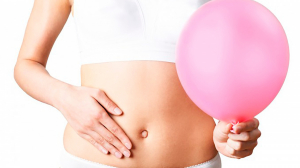

Endometriosis is a chronic inflammatory condition in which tissue similar to the endometrium is found in abnormal locations, particularly within the abdominal cavity. This tissue responds to female hormones in much the same way as the endometrium, causing microbleeding and recurrent inflammation. Over time, these processes can lead to ovarian cysts, small lesions on the peritoneal surface, and adhesions between pelvic organs.
When the intestines and nearby structures are affected, chronic inflammation can alter nerve sensitivity in the pelvic area as well as the balance of intestinal gases. This may result in impaired bowel motility, leading to constipation or diarrhea. The symptoms resemble those of many other gastrointestinal disorders, such as irritable bowel syndrome or intestinal infections. The key distinguishing feature is their cyclical nature and association with other typical symptoms of endometriosis.
Endometriosis and Bloating: The Role of Diagnosis
Not all women with endometriosis experience bloating, and not all bloating is caused by endometriosis. This is why a personalized medical evaluation is extremely important.
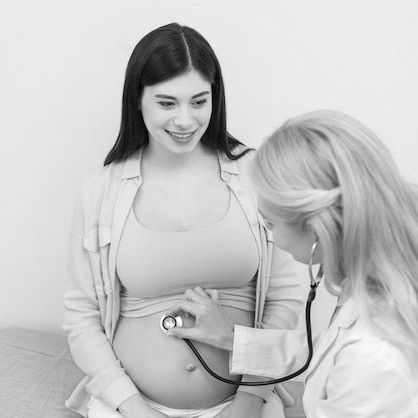
If you experience severe and recurrent abdominal swelling, the first step is to discuss the issue with a gynecologist. Dismissing symptoms as “just stress” or a “sensitive gut” can delay diagnosis.
Several questions may help assess the situation. Does the bloating worsen during menstruation? Do you suffer from painful periods? Do you experience pain during penetrative intercourse? Regardless of your answers, self-diagnosis is not recommended—schedule an appointment with a healthcare professional.
What Are the Treatment Strategies for Endometriosis?
Specialists at Bogolyuby Medical Center emphasize that there is no single universal cure for endometriosis. However, a combination of different approaches can significantly reduce swelling and improve quality of life. The key lies in a comprehensive strategy that combines medication, proper nutrition, and physical activity.
Treatment for endometriosis often includes hormonal therapy to reduce the activity of the cyclical inflammatory process. In some cases, medications are used to temporarily suppress ovarian function and create a controlled “hormonal pause.” If large ovarian cysts or adhesions that alter pelvic anatomy are present, surgical intervention may be recommended.
The choice of treatment method must take into account the patient’s age, desire for pregnancy, severity of symptoms, and stage of the disease. An individual consultation is necessary to understand the advantages and disadvantages of each option.
Physical Exercise and Additional Approaches
Moderate, regular physical activity can improve blood circulation in the pelvic area, reduce pain sensitivity, and enhance bowel motility. Daily walks, even at a moderate pace, are beneficial, as are practices such as yoga or Pilates that emphasize diaphragmatic breathing and relaxation of the pelvic floor muscles. It is important to understand that these approaches do not replace medical treatment but rather complement and enhance its effectiveness.
Targeted Diet
Endometriosis-related bloating has a strong intestinal component, which is why dietary adjustments can play a significant role in symptom relief. Limit foods that commonly cause gas production, such as certain vegetables rich in fermentable fiber, including cabbage and legumes. Eliminate artificial sweeteners and carbonated beverages from your diet. Reduce excessive consumption of processed foods high in simple sugars and saturated fats, as they may contribute to systemic inflammation.
It can be helpful to keep a food and symptom diary, recording what you eat and how you feel over the hours and days following specific meals. This may help identify foods that trigger flare-ups.
You should seek immediate medical attention if bloating is accompanied by fever, vomiting, or blood in the stool; develops suddenly with severe pain; or causes breathing difficulties or feelings of faintness. These symptoms may indicate conditions other than endometriosis and require urgent medical care.
Number of views: 800