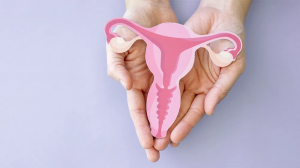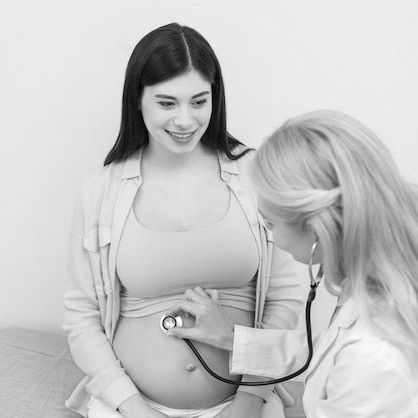

Chronic bacterial infections that a woman has ignored for years can lead to a condition known as Pelvic Inflammatory Disease (PID). These diseases affect the upper female reproductive tract, including the uterus, fallopian tubes, and ovaries. If PID is not diagnosed and treated in a timely manner, it can have negative consequences for fertility.
According to statistics, at least one million women worldwide suffer from this condition each year, most commonly sexually active women between the ages of 16 and 25. Overall, the incidence of new diagnoses is approximately 1.5% per year.
The likelihood of developing PID increases with unprotected sexual intercourse, having multiple sexual partners, or following invasive gynecological procedures. This condition requires careful attention because it may cause complications that are sometimes serious and irreversible. These include infertility, ectopic pregnancy, chronic pelvic pain, and tubo-ovarian abscess.
Approximately 20% of women with pelvic inflammatory disease experience damage to the fallopian tubes, which significantly complicates or prevents conception. Damaged tubes interfere with the normal passage of the egg, increasing the risk of ectopic implantation, a potentially life-threatening condition.
Internal inflammation and scarring can cause persistent and debilitating chronic pelvic pain. In rare but more severe cases, collections of pus-filled fluid may develop, requiring surgical treatment — these are known as tubo-ovarian abscesses.
What Leads to PID?
The main cause of pelvic inflammatory disease is the spread of bacteria that ascend through the cervix into the uterus and fallopian tubes. Most often, this infection occurs through unprotected sexual contact with a partner infected with a sexually transmitted infection (STI). Therefore, the main risk factors include STIs, particularly chlamydia and gonorrhea; early onset of sexual activity; multiple sexual partners; recent use of an intrauterine device (IUD); and invasive gynecological procedures.
PID: Symptoms That Should Not Be Ignored
Unfortunately, the symptoms of pelvic inflammatory disease are not always easy to recognize because they are often mild or completely absent and, at the same time, nonspecific. This makes early diagnosis difficult. In many cases, the disease is discovered only during infertility investigations. For these reasons, it is important to be aware of potentially alarming signs, including persistent pain in the pelvic or abdominal area, sometimes on both sides; pain during sexual intercourse; unusual, heavy and/or foul-smelling vaginal discharge; fever (above 38°C) in the early stages; bleeding between menstrual periods or after sexual intercourse; and painful or frequent urination.
PID and Infertility: What Can Be Done?
The first step is usually a combination drug treatment prescribed by a physician to eliminate the primary infectious agents. Oral antibiotics such as doxycycline and metronidazole are commonly used for this purpose. In cases of severe symptoms, pregnancy, or suspected abscess formation, intravenous treatment in a hospital setting may be required. Sexual intercourse should be avoided until treatment is completed, and the partner should undergo treatment simultaneously to prevent recurrence.
If PID has affected fertility, there are still treatment options available. In cases of severe damage to or blockage of the fallopian tubes, in vitro fertilization (IVF) is often the most appropriate solution. Conversely, if the clinical situation allows, microsurgical procedures aimed at restoring tubal patency may also be considered. In such cases, it is extremely important to seek timely medical attention at the Bogolyuby Medical Center, where specialists can professionally assess the situation and recommend the most appropriate treatment plan. Early diagnosis remains the best way to prevent complications.
Number of views: 672