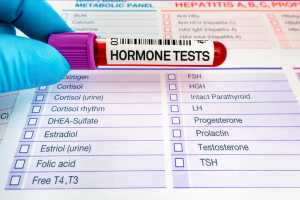

It is no secret that hormonal imbalance negatively affects the ability to conceive. Female infertility may manifest as irregular cycles, absence of ovulation, very heavy or scanty menstruation, as well as symptoms such as acne, weight gain, or hirsutism. Among the most common problematic conditions is polycystic ovary syndrome (PCOS), characterized by an imbalance between estrogens and androgens, which often interferes with regular ovulation. Thyroid dysfunction, hyperprolactinemia, and luteal phase deficiency can also reduce fertility.
Phases of the menstrual cycle: how does it work?
The menstrual cycle is divided into four key phases, each characterized by specific hormonal and functional changes. The menstrual phase coincides with bleeding and leads to the shedding of the endometrium, which had prepared to receive an embryo; if conception does not occur, this tissue is no longer needed, and the process starts again. The follicular phase begins on the first day of the cycle and ends with ovulation. During this period, the pituitary gland stimulates the ovaries to mature one or more follicles. The endometrium begins to thicken again, preparing for a possible pregnancy. The ovulatory phase is the most important moment for conception. The ovary releases a mature egg ready for fertilization. This event lasts several hours. Ovulation is followed by the luteal phase. The corpus luteum produces progesterone to maintain the endometrium’s ability to support implantation. If pregnancy does not occur, hormone levels fall, and a new menstruation begins.
Key hormones of the menstrual cycle: what you need to know
All phases of the menstrual cycle and the associated changes are driven by hormones—the main regulators produced at specific times by the hypothalamic-pituitary-ovarian axis. Each of them plays its own specific and important role.
FSH (follicle-stimulating hormone): as the name suggests, it promotes the growth of ovarian follicles.
LH (luteinizing hormone): responsible for the hormonal surge that triggers ovulation—the release of a mature egg from the ovary.
Estrogens: produced by growing follicles, they stimulate the thickening of the endometrium.
Progesterone: synthesized after ovulation and necessary for supporting early pregnancy. When its levels are insufficient, embryo implantation is impaired.
Other hormones, such as prolactin and thyroid hormones, although not directly involved in the cycle, can significantly affect it if their levels are abnormal.
Ovulation and the fertile window: when is the best time to try to conceive?
When planning a pregnancy, it is important to understand all phases of the menstrual cycle in order to determine your fertile window. This favorable period for conception coincides with ovulation, which in a regular cycle usually occurs on day 14.
Sperm can survive in the female reproductive tract for up to 4–5 days, while the egg lives for about 12–24 hours. For this reason, the most fertile days are those immediately before and after ovulation. If you have a regular menstrual cycle, it makes sense to take these days into account.
How does the menstrual cycle affect embryo implantation?
One aspect that is often overlooked concerns the preparation of the endometrium for embryo implantation. Ovulation and fertilization alone are not sufficient for pregnancy to occur. The embryo formed after the fusion of sperm and egg must implant into the uterine wall. This process largely depends on hormonal balance, especially progesterone levels. An endometrium that is too thin or not sufficiently receptive may prevent implantation even if fertilization has occurred. For this reason, when assessing fertility, not only ovulation is analyzed, but also the quality of the luteal phase and the thickness of the endometrium.
Diagnosis of conditions unfavorable for conception can be carried out at the Bogolyuby Medical Center. After identifying the problem, pharmacological therapy may be initiated to restore hormonal balance, which will help maximize the chances of pregnancy.
Number of views: 744